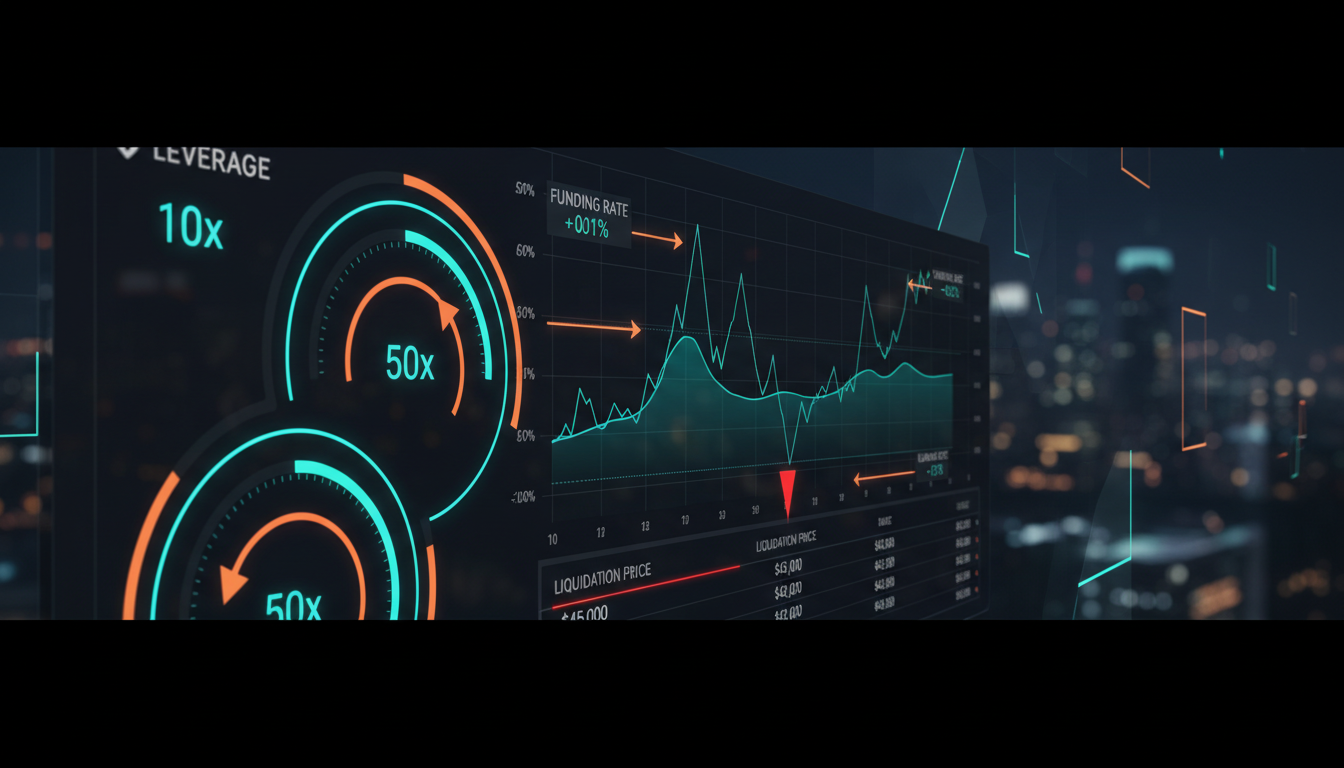
Perpetual futures, often called perps, are the most-traded instrument in crypto. They look like regular futures contracts but never expire, which makes them attractive for both directional bets and hedging.
If you have only traded spot, the mechanics can feel strange at first. This guide walks through everything you need to know before placing your first perp order on PulsarPro.
What a perpetual contract actually is
A perp is a derivative that tracks the spot price of an asset without a settlement date. To keep the contract price anchored to spot, exchanges use a periodic funding payment between longs and shorts.
When the perp trades above spot, longs pay shorts. When it trades below, shorts pay longs. Funding settles every eight hours on most venues, including PulsarPro.
The key implications:
- You can hold a position indefinitely, but funding costs (or rebates) accrue continuously.
- The funding rate is a real signal about positioning: persistently positive funding suggests crowded longs.
- High funding does not by itself predict price direction, but it does tell you about who is paying to stay in the trade.
Leverage, margin, and liquidation
A perpetual position is collateralized. You post some amount of margin, the exchange lets you control a larger notional position, and that ratio is your leverage.
There are two main margin modes:
- Isolated — collateral is locked to a single position. Liquidation is contained to that position.
- Cross — all available balance backs every open position. Liquidations are larger but margin can be drawn from anywhere.
New traders almost always do better in isolated mode for the first few months. It enforces position sizing and prevents one bad trade from cascading into the rest of the book.
How liquidation actually works
Liquidation is not the moment your unrealized P&L hits zero. It is the moment your account equity drops below the maintenance margin requirement, which is a small fraction of the position notional.
Two practical tips:
- Always check the liquidation price before placing the order. PulsarPro displays it on the order ticket.
- Set a stop loss inside the liquidation distance, not at it. Exchange engines liquidate at the mark price, which can diverge from the last trade in fast markets.
The most common rookie mistakes
After watching new perps traders for years, we see the same patterns:
- Sizing positions at maximum allowed leverage instead of at a position-appropriate risk.
- Holding losing positions through funding payments instead of cutting and re-entering.
- Confusing the index price, mark price, and last trade price. The mark is what matters for liquidation.
- Going short into a clearly trending market because funding looks high.
A reasonable first-month playbook
If you are new to perps:
- Start in isolated margin at 2x to 3x.
- Risk no more than 1 percent of account equity per trade.
- Use stop losses that are based on volatility, not on the leverage you happened to pick.
- Track funding paid or received as a separate line item in your P&L review.
- Do not scale up leverage until you have at least 30 trades with a positive expectancy.
Perpetual futures are a powerful tool, but they will punish sloppy risk management faster than spot ever will. Earn the leverage you use.